Frequently Asked Questions
What is a sip panel home?
A SIP panel home is a structure built using Structural Insulated Panels, which consist of an insulating foam core sandwiched between two structural facings, providing superior energy efficiency and durability for comfortable living.
How much to build a tiny home?
The cost to build a tiny home varies widely, typically ranging from $20,000 to $100,000, depending on materials, size, and customization options. Little Twig Homes offers affordable DIY kits that can help you achieve your tiny living dreams efficiently.
What is a sip home?
A SIP home is a structure built using Structural Insulated Panels, which consist of an insulating foam core sandwiched between two structural facings, providing energy efficiency, durability, and excellent thermal performance for comfortable living.
How much does it cost to build a tiny home?
The cost to build a tiny home varies based on factors like size and materials. At Little Twig Homes, our DIY kits start at competitive prices, providing energy-efficient options with quality materials for a sustainable living experience.
How to build tiny home?
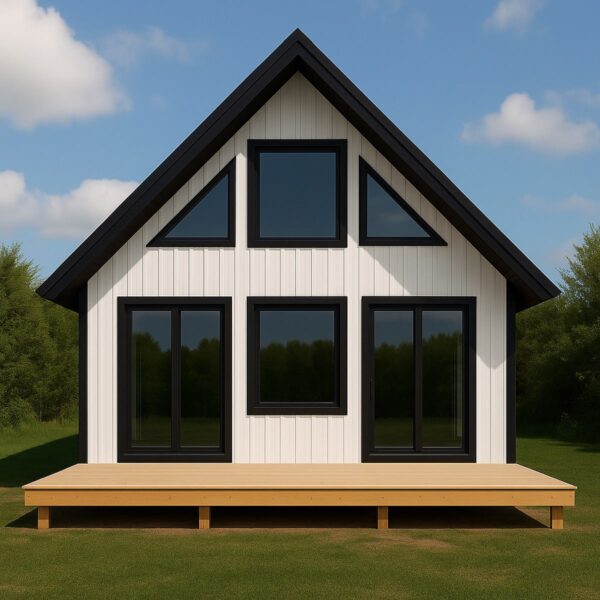
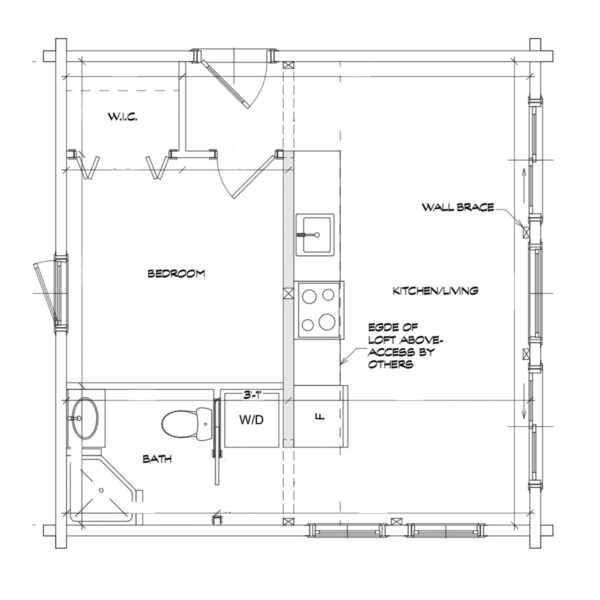
Building a tiny home involves selecting a DIY kit, such as the Little Twig 400 SIP home kit, which includes pre-cut materials and detailed assembly instructions. Ensure a prepared foundation and follow the provided guidelines for efficient construction.
What is a tiny home kit?
A tiny home kit is a complete DIY package that includes all necessary materials and instructions to construct a small, energy-efficient home, typically featuring high-quality components like Structural Insulated Panels or Northern White Cedar logs for durability and comfort.
How to build a sip home?
Building a SIP home involves assembling pre-cut kits that include Structural Insulated Panels, windows, and roofing materials. Start by preparing a solid foundation, then follow the provided assembly instructions for efficient construction.
What materials are used in sip panel homes?
The materials used in SIP panel homes include Structural Insulated Panels (SIPs) with R-26 walls and R-40 roofs, along with Andersen windows and metal siding/roofing, ensuring energy efficiency and durability for optimal performance in various climates.
How long does it take to build a tiny home?
Building a tiny home typically takes between three to six months, depending on factors such as design complexity, site preparation, and whether you’re assembling it yourself or working with a builder.
What are the benefits of sip homes?
The benefits of SIP homes include superior energy efficiency, enhanced durability, and excellent insulation properties, resulting in lower heating costs and a comfortable living environment. They are designed for easy assembly, making them ideal for DIY enthusiasts and builders alike.
Can I customize my tiny home kit?
Customizing your tiny home kit is possible with Little Twig Homes. We offer various options for finishes, layouts, and features to suit your personal style and needs, ensuring your home reflects your unique vision.
What is the average size of a tiny home?
The average size of a tiny home typically ranges from 100 to 400 square feet. This compact living space is designed to maximize efficiency while providing comfort and functionality for its occupants.
How energy-efficient are sip panel homes?
SIP panel homes are highly energy-efficient, featuring structural insulated panels that provide superior insulation (R-26 walls / R-40 roof) and significant heating savings, making them ideal for sustainable living and reducing energy costs.
What foundation is needed for a tiny home?
The foundation needed for a tiny home typically includes a concrete slab, pier and beam, or a trailer base, depending on local regulations and personal preferences. Ensure the foundation is level and sturdy to support the structure effectively.
Are sip homes suitable for all climates?
SIP homes are suitable for various climates due to their high energy efficiency and structural integrity. With options like the Northern Cold Climate Edition, they provide excellent insulation and durability, making them adaptable to both warm and cold environments.
What are the design options for tiny homes?
The design options for tiny homes include both Structural Insulated Panel (SIP) kits and Northern White Cedar log packages. Each option offers customizable features, energy efficiency, and durability, catering to various lifestyles and preferences.
How do I finance a tiny home?
Financing a tiny home involves exploring various options such as personal loans, mortgages, or specialized financing programs tailored for tiny home purchases. Consider consulting with financial institutions or lenders experienced in alternative housing solutions.
What is included in a tiny home kit?
A tiny home kit includes all necessary materials for construction, such as pre-cut Structural Insulated Panels (SIPs) or Northern White Cedar logs, Andersen windows, metal siding/roofing, interior finishes, and detailed construction drawings, ensuring an efficient DIY assembly experience.
How do sip panels compare to traditional framing?
SIP panels offer superior insulation and energy efficiency compared to traditional framing, resulting in lower heating costs and enhanced comfort. Additionally, SIPs provide quicker assembly and greater structural strength, making them an ideal choice for modern, sustainable homes.
What permits are required for tiny homes?
The permits required for tiny homes vary by location but typically include building permits, zoning permits, and possibly electrical and plumbing permits. It's essential to check local regulations to ensure compliance before construction.
Can I move my tiny home easily?
Moving your tiny home is indeed feasible. Little Twig Homes' kits are designed for easy transport, allowing you to relocate your DIY home with minimal hassle, provided you have a suitable foundation and transportation method in place.
What are common challenges in building tiny homes?
Common challenges in building tiny homes include limited space planning, zoning regulations, and securing financing. Additionally, DIY assembly can present difficulties, requiring careful attention to detail and construction skills to ensure structural integrity and efficiency.
How do I maintain a sip panel home?
Maintaining a SIP panel home involves regular inspections for any signs of wear, ensuring proper sealing around windows and doors, and cleaning the exterior to prevent mold or mildew buildup. Additionally, checking insulation integrity will help maintain energy efficiency.
What is the resale value of tiny homes?
The resale value of tiny homes can vary significantly based on location, quality, and features. Generally, well-built tiny homes, particularly those using high-quality materials like SIPs and Northern White Cedar, tend to retain their value and can even appreciate over time.
How do I insulate a tiny home?
Insulating a tiny home effectively involves using high-quality materials such as Structural Insulated Panels (SIPs) or spray foam insulation, ensuring optimal thermal performance and energy efficiency. These options provide excellent insulation values, keeping your space comfortable year-round.
What are the best locations for tiny homes?
The best locations for tiny homes typically include rural areas, near lakes or mountains, and in eco-friendly communities. These settings offer tranquility, natural beauty, and often more lenient zoning regulations for tiny home living.
How to connect utilities in a tiny home?
Connecting utilities in a tiny home involves coordinating water, electricity, and sewage systems through proper installation. Ensure you follow local codes and consider consulting professionals for safe and efficient connections tailored to your home's design.
What are the zoning laws for tiny homes?
The zoning laws for tiny homes vary by location and typically dictate where these homes can be placed, their size, and whether they can be used as permanent residences. It's essential to check local regulations to ensure compliance.
How to decorate a tiny home efficiently?
Efficiently decorating a tiny home involves maximizing space through multifunctional furniture, utilizing vertical storage solutions, and selecting a cohesive color palette to create an open feel. Prioritize essential items and personal touches for a cozy atmosphere.
What are the safety features of sip homes?
The safety features of SIP homes include their high structural integrity, superior insulation (R-26 walls and R-40 roof), and snow-load strength, making them resilient against harsh weather. Additionally, they utilize premium materials like Andersen windows and metal roofing for enhanced durability.