Frequently Asked Questions
What is a log cabin kit?
A log cabin kit is a complete package that includes pre-cut materials, such as precision-milled Northern White Cedar logs, along with construction drawings and essential components, designed for DIY assembly or builder assistance to create a rustic yet energy-efficient home.
How to build a log cabin kit?
Building a log cabin kit involves assembling pre-cut materials, following detailed construction drawings, and utilizing the included precision-milled Northern White Cedar logs and finishes. Ensure you have a prepared foundation and follow the instructions for a successful DIY project.
How much does a log cabin kit cost to build?
The cost to build a log cabin kit varies based on size and features, but typically ranges from $20,000 to $50,000 for the kit itself, excluding additional expenses like land, foundation, and utilities.
How much does a log cabin kit cost?
The cost of a log cabin kit varies based on size and features. At Little Twig Homes, our DIY cedar log home kits start at competitive prices, ensuring quality materials and design for your building project.
What materials are included in a log cabin kit?
The materials included in a log cabin kit consist of precision-milled 6×6 Northern White Cedar logs, Andersen windows and doors, interior finishes, trim, and detailed construction drawings, all designed for efficient DIY assembly.
How long does it take to build a log cabin?
The time it takes to build a log cabin varies based on factors like the kit size and the builder's experience, but typically ranges from a few weeks to several months for complete assembly.
What tools are needed for log cabin assembly?
The tools needed for log cabin assembly include basic carpentry tools such as a circular saw, hammer, level, drill, and measuring tape. Additionally, a ladder and safety gear are recommended for a safe and efficient building process.
Can I customize my log cabin kit?
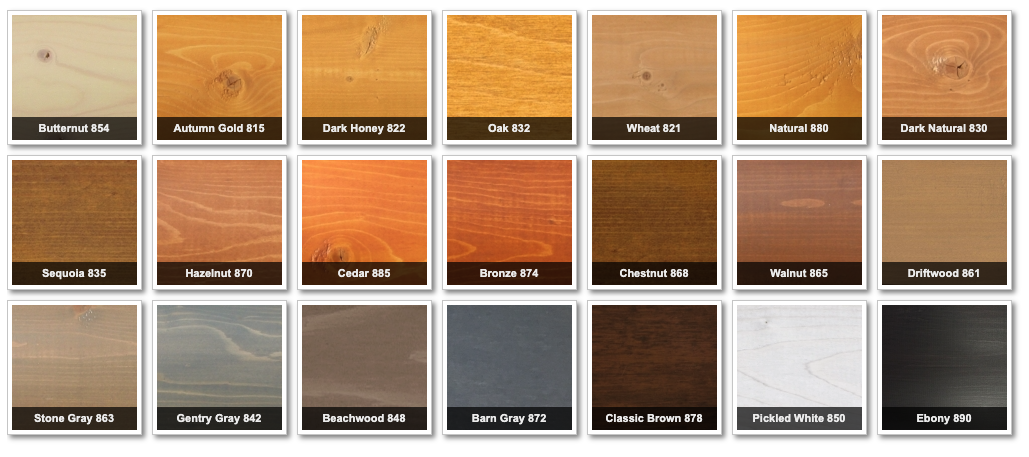
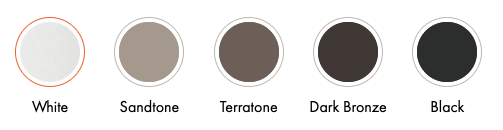
Customizing your log cabin kit is possible with Little Twig Homes. We offer various options to tailor your kit to your preferences, ensuring your new home reflects your unique style and needs.
What are the benefits of a log cabin kit?
The benefits of a log cabin kit include high energy efficiency, durability, and the rustic charm of Northern White Cedar. Designed for DIY assembly, these kits provide a reliable and sustainable solution for various living situations, from primary homes to vacation retreats.
Are there financing options for log cabin kits?
Financing options for log cabin kits are available to help make your dream home more accessible. We recommend exploring various lenders or financial institutions that specialize in home construction loans tailored for DIY projects.
What is the warranty on a log cabin kit?
The warranty on a log cabin kit covers defects in materials and workmanship for a specified period, ensuring peace of mind for your DIY project and protecting your investment in quality Northern White Cedar logs.
How do I maintain a log cabin?
Maintaining a log cabin involves regular inspections for moisture, pests, and damage, along with periodic sealing and staining to protect the wood. Additionally, keep gutters clean and ensure proper drainage to prevent water accumulation around the foundation.
What size log cabin kits are available?
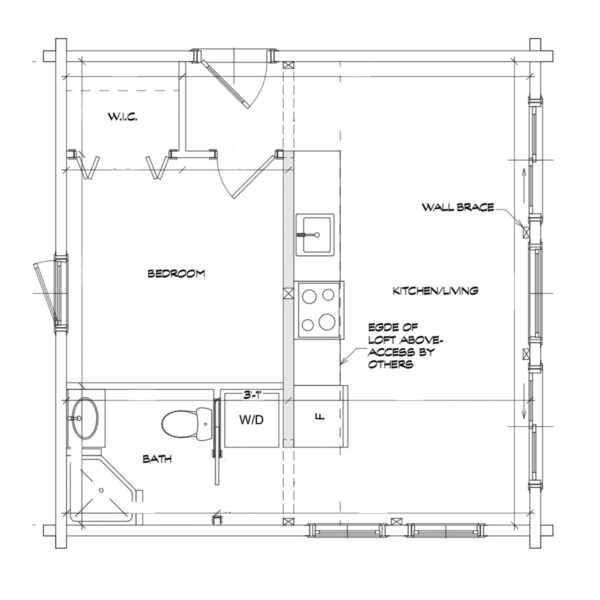
Little Twig Homes offers log cabin kits in various sizes, specifically designed for DIY assembly. Our log homes feature precision-milled 6×6 Northern White Cedar logs and are available in sizes suitable for primary residences, vacation cabins, and off-grid living.
Can I build a log cabin in winter?
Building a log cabin in winter is possible. With proper planning and the right materials, such as our precision-milled Northern White Cedar logs, you can successfully construct your cabin even in colder months, ensuring durability and energy efficiency.
What is the delivery process for log cabin kits?
The delivery process for log cabin kits involves shipping complete pre-cut DIY kits directly to your prepared foundation site. Each kit includes all necessary materials, ensuring a smooth assembly experience for your new home.
Are there assembly instructions included with the kit?
Assembly instructions are included with the kit. Each DIY cedar log home kit comes with detailed construction drawings and guidance to help you successfully assemble your new home.
How do I choose the right log cabin kit?
Choosing the right log cabin kit involves considering your space needs, design preferences, and budget. Evaluate the size, materials, and energy efficiency of the kit, ensuring it aligns with your lifestyle and building capabilities for a successful DIY project.
What are the best locations for log cabins?
The best locations for log cabins are typically in scenic, natural settings such as mountains, forests, or lakesides, where the rustic charm of cedar homes can be fully appreciated while providing a peaceful retreat or vacation getaway.
Can I get help with log cabin construction?
Help with log cabin construction is available. Little Twig Homes provides comprehensive support, including detailed construction drawings and resources, to assist you in successfully assembling your DIY cedar log home kit.
What is the average lifespan of a log cabin?
The average lifespan of a log cabin is typically between 50 to 100 years, depending on factors such as maintenance, climate, and the quality of materials used. Proper care can significantly extend its durability.
Are log cabin kits eco-friendly?
Log cabin kits are eco-friendly due to their use of sustainable Northern White Cedar, which is a renewable resource. Additionally, their energy-efficient design contributes to reduced environmental impact throughout their lifespan.
What are common mistakes when building a log cabin?
Common mistakes when building a log cabin include inadequate planning, neglecting site preparation, and failing to properly seal logs to prevent moisture issues. Additionally, miscalculating material quantities can lead to delays and increased costs.
How do I prepare the site for a log cabin?
Preparing the site for a log cabin involves selecting a suitable location, ensuring proper drainage, and leveling the ground to create a stable foundation for your DIY kit.
What insulation options are available for log cabins?
The insulation options available for log cabins include traditional fiberglass batts, spray foam insulation, and cellulose, each providing varying levels of thermal resistance and energy efficiency. Choosing the right insulation enhances comfort and reduces heating costs.
Can I add a porch to my log cabin?
Adding a porch to your log cabin is definitely possible. We encourage customization, so you can design a porch that complements your Little Twig home while enhancing its rustic charm and functionality.
What is the resale value of a log cabin?
The resale value of a log cabin can vary significantly based on location, condition, and market demand. Generally, well-maintained log cabins retain good resale value, often appreciating due to their unique charm and energy efficiency.
How do I ensure my log cabin is energy efficient?
Ensuring your log cabin is energy efficient involves using high-quality materials, like Northern White Cedar, and incorporating features such as Andersen windows and proper insulation. Opt for energy-efficient designs and consider adding solar panels for sustainable energy.
What are the zoning requirements for log cabins?
The zoning requirements for log cabins vary by location and can include regulations on land use, building codes, and minimum square footage. It's essential to check with local authorities to ensure compliance before purchasing a kit.
Can I use a log cabin kit for vacation rentals?
Using a log cabin kit for vacation rentals is possible and highly suitable. Our DIY cedar log home kits provide a charming and durable option for creating vacation accommodations, ensuring comfort and energy efficiency for your guests.
What are the most popular log cabin designs?
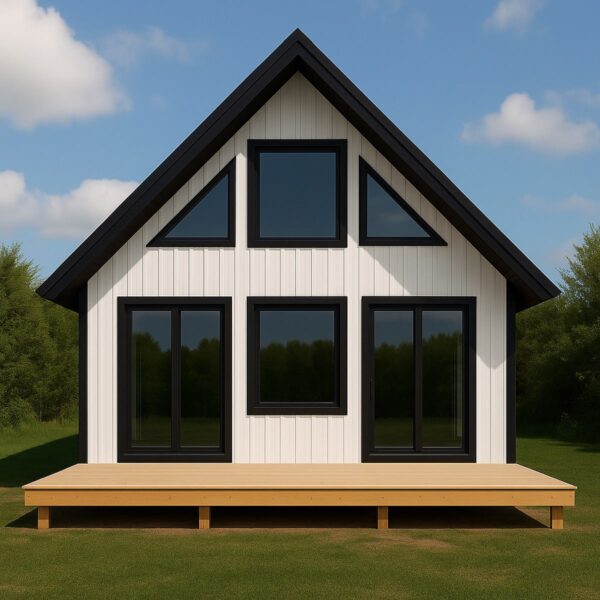
The most popular log cabin designs typically include classic A-frame styles, modern minimalist cabins, and spacious ranch-style layouts. These designs often emphasize natural materials and energy efficiency, making them ideal for both primary residences and vacation retreats.