Prices, window selection, and colors are subject to change without notice.
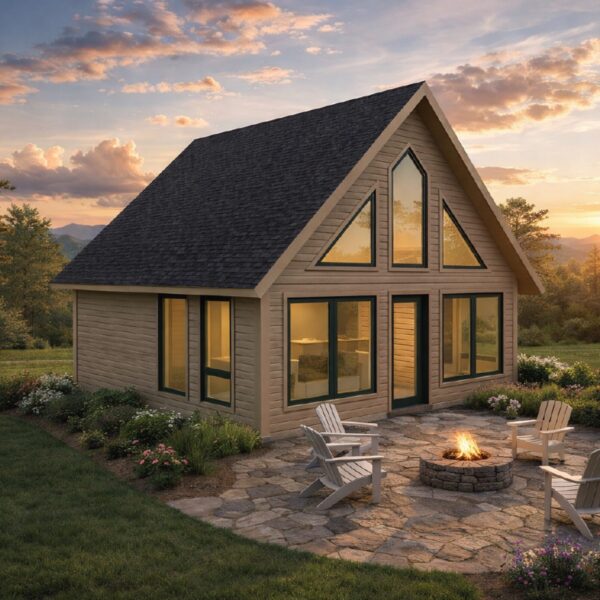
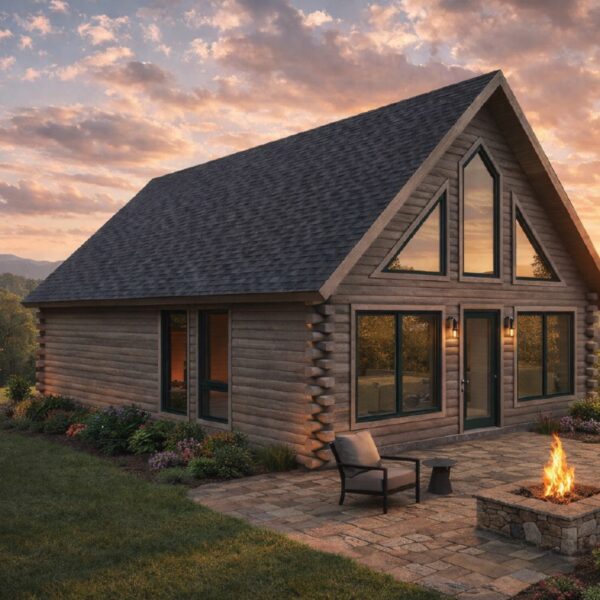
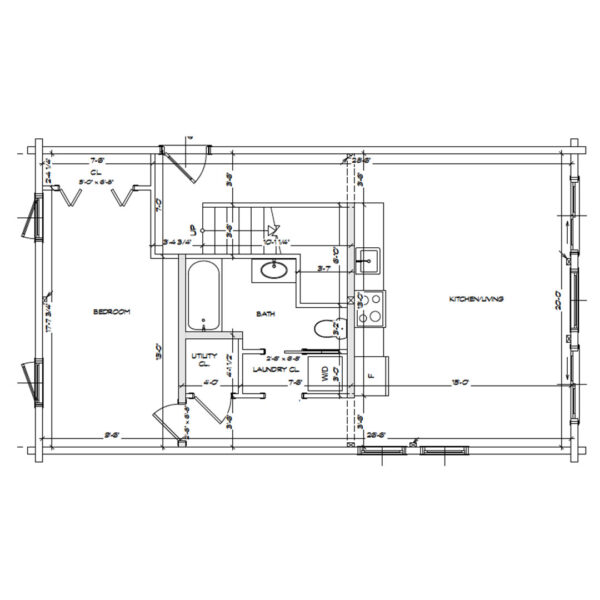
Our best selling home kit – now in classic cedar log construction. Perfect for up…
Prices, window selection, and colors are subject to change without notice.
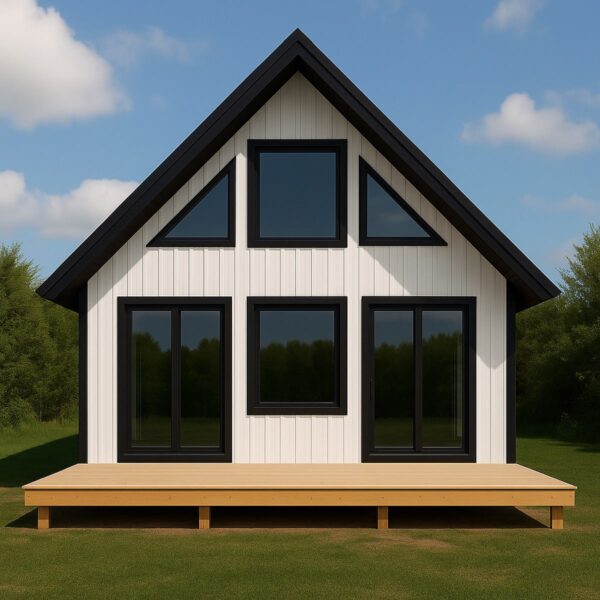
Our best selling home kit. Perfect for up to 4 person occupancy.
This is a DIY material…
Prices, window selection, and colors are subject to change without notice.
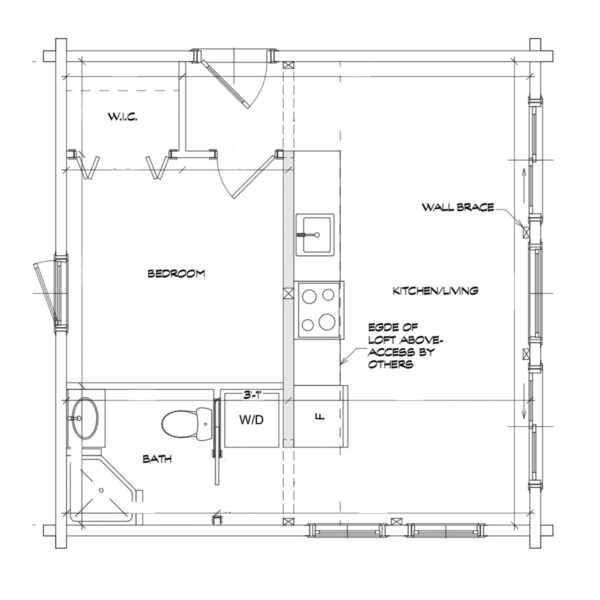
The larger 950 square foot version of our best selling home kit. Perfect for up…
roof, house, prefabricated building, floor, framing, cottage, siding, bedroom, foundation, bathroom, diy home kits, house building kits, build your own house kit, build your own home kit, diy log cabin kits, diy cabin kits, build your own cabin kit, build your own log cabin kit, build it yourself home kits, build your own tiny house kit, diy house kit, diy home building kits, diy tiny home kits, porch, tiny, bed, square foot, steel frame, steel, plan, living, security, wall, space, lumber, construction, roof pitch, garage, basement, floor plan, room, kitchen, closet, ceiling, baths, bath, plans, square feet, starting
Frequently Asked Questions
How many spray foam insulation kits are needed to do a home?
The number of spray foam insulation kits needed for a home depends on its square footage and insulation requirements. Typically, one kit covers around 600 to 1,000 square feet, so calculate based on your home's specific dimensions.
What size home requires spray foam insulation?
The size of a home that requires spray foam insulation typically includes those over 400 square feet, especially in climates with extreme temperatures, as it enhances energy efficiency and comfort.
How to calculate insulation kit requirements?
Calculating insulation kit requirements involves determining the total area to be insulated and the specific R-value needed for your climate. Measure the walls and roof of your home, then consult insulation guidelines to select the appropriate kit size and type.
What factors affect insulation kit quantity?
The factors that affect insulation kit quantity include the size of the home, desired R-value for energy efficiency, local climate conditions, and specific building codes. These elements determine the amount of insulation required for optimal performance.
Can I use leftover kits for future projects?
Leftover kits can be utilized for future projects. We encourage you to save any excess materials, as they may be perfect for expansions, renovations, or new builds down the line, ensuring efficient use of resources.
How to choose the right insulation kit?
Choosing the right insulation kit involves considering factors such as energy efficiency, climate suitability, and the specific needs of your home. Evaluate options like SIPs for superior insulation or log kits for rustic charm to find the best fit.
What is the coverage of one insulation kit?
The coverage of one insulation kit varies based on the specific model and size of the home. Typically, a kit is designed to insulate areas ranging from 400 to 950 square feet effectively.
Are there different types of insulation kits?
There are indeed different types of insulation kits available. Little Twig Homes offers SIP (Structural Insulated Panels) kits, which provide high energy efficiency, and log home kits made from Northern White Cedar, known for their durability and rustic charm.
How to install spray foam insulation properly?
Proper installation of spray foam insulation involves cleaning the surface, ensuring even application, and using protective gear. Spray the foam in layers, allowing each layer to cure before adding more for optimal insulation performance and coverage.
What tools are needed for installation?
The tools needed for installation include a basic set of hand tools such as a saw, drill, level, and measuring tape, along with safety equipment like gloves and goggles to ensure a safe and efficient assembly of your home kit.
How long does spray foam insulation last?
The longevity of spray foam insulation is impressive, typically lasting between 20 to 30 years when properly installed and maintained. This durability makes it a reliable choice for energy efficiency in homes.
What are the benefits of spray foam insulation?
The benefits of spray foam insulation include enhanced energy efficiency, superior air sealing, and moisture resistance, which contribute to lower energy bills, improved indoor air quality, and increased comfort in your home.
Is professional installation recommended for insulation kits?
Professional installation is recommended for insulation kits to ensure optimal performance and efficiency. While our kits are designed for DIY assembly, professional expertise can enhance the installation process, particularly for complex projects.
How to maintain spray foam insulation?
Maintaining spray foam insulation involves ensuring it remains clean and free of damage. Regularly inspect for any signs of wear or moisture intrusion, and keep the surface clear of debris to preserve its effectiveness.
What are common mistakes in insulation installation?
Common mistakes in insulation installation include improper sealing of gaps, using insufficient insulation thickness, and neglecting to account for moisture barriers, which can compromise energy efficiency and lead to long-term damage.
Can insulation kits be customized for my home?
Insulation kits can be customized for your home. At Little Twig Homes, we offer tailored options for both our SIP and log home kits, ensuring they meet your specific insulation needs for optimal energy efficiency and comfort.
What is the cost of spray foam insulation kits?
The cost of spray foam insulation kits varies based on the size and type of the kit, typically ranging from $300 to $1,500. For precise pricing, please check our product listings or contact us for a quote tailored to your needs.
How to find the best insulation suppliers?
Finding the best insulation suppliers involves researching companies that offer high-quality materials, checking customer reviews, and comparing pricing and delivery options to ensure you choose reliable and efficient products for your home building needs.
What are the environmental impacts of spray foam?
The environmental impacts of spray foam include potential off-gassing of volatile organic compounds (VOCs) during installation, which can affect indoor air quality. However, when properly applied, it provides excellent insulation, reducing energy consumption over time.
How does spray foam insulation compare to fiberglass?
Spray foam insulation offers superior air sealing and energy efficiency compared to fiberglass, which can allow air leaks. Additionally, spray foam expands to fill gaps, providing better thermal performance and moisture resistance, making it a more effective choice for home insulation.
What are the safety precautions for installation?
The safety precautions for installation include wearing appropriate personal protective equipment, ensuring a stable and clear work area, following manufacturer guidelines, and using proper lifting techniques to prevent injury during assembly. Always prioritize safety to ensure a smooth installation process.
How to ensure proper ventilation during installation?
Ensuring proper ventilation during installation is crucial for maintaining air quality and moisture control. Open windows and doors, use fans, and follow manufacturer guidelines for ventilation to promote airflow and prevent condensation buildup.
What is the R-value of spray foam insulation?
The R-value of spray foam insulation is a measure of its thermal resistance, typically ranging from R-6 to R-7 per inch, making it one of the most efficient insulation options available for energy savings and comfort in homes.
How to troubleshoot insulation installation issues?
Troubleshooting insulation installation issues involves checking for gaps, ensuring proper sealing, and verifying that panels are installed correctly. Inspect for any signs of moisture or air leaks, and make adjustments as needed to maintain energy efficiency.
What are the advantages of DIY insulation kits?
The advantages of DIY insulation kits include cost savings, ease of installation, and the ability to customize your home’s insulation to specific needs. They empower homeowners to take control of their projects while ensuring energy efficiency and comfort.
How to measure my home for insulation needs?
Measuring your home for insulation needs involves assessing the dimensions of your walls, ceilings, and floors. Use a tape measure to record the length and height of each area, then calculate the total square footage to determine the amount of insulation required.
What is the installation time for insulation kits?
The installation time for insulation kits varies depending on the complexity of the project and the experience of the installer. Generally, you can expect the installation to take between one to three days for a complete kit.
Can I insulate my home in winter?
Insulating your home in winter is possible and can be beneficial. While colder temperatures may pose challenges, using high-quality insulation materials can effectively enhance your home's energy efficiency and comfort, making it a worthwhile investment.
What are the best practices for insulation?
The best practices for insulation involve using high-quality materials, ensuring proper installation, and sealing any air leaks. For optimal energy efficiency, consider using Structural Insulated Panels (SIPs) or high-performance insulation that meets R-value requirements for your climate.
How to dispose of unused insulation materials?
The proper disposal of unused insulation materials involves checking local regulations, as many areas have specific guidelines. Generally, you can recycle or dispose of them at designated waste facilities or contact your local waste management for options.
little twig homes, Small homes, real small homes, SIP homes, log homes, 400sf homes, 400 square foot homes, 950sf homes, 950 square foot homes, Building a small home, building a small home not a shed, little twig home kits, small homes, affordable small homes, diy small home kits, energy efficient small homes, real affordable small homes, real homes not sheds, sip homes, sip home kits, energy efficient sip homes, cedar log homes, diy log home kits, affordable log homes, 400 sf home kits, small 400 square foot home packages, 950 sf home kits, affordable 950 sf homes, building a small home, how to build a small home, diy small home building, small home kits not sheds, build a real home not a shed, pre cut small home kits, modern small homes, energy efficient small home kits, cottage kits for sale, big twig homes, sip house kit price, sip cottage kits, sip homes kits prices, cedar homes kits, 400 sq ft cabin kit, 950 sq ft cabin kit, shop Little Twig Homes, Little Twig Homes shop, shop Little Twig Homes home kits, shop Little Twig Homes cabins, shop Little Twig Homes SIP homes, shop Little Twig Homes log homes, shop Little Twig Homes SIP kits, shop Little Twig Homes log cabin kits, shop Little Twig Homes home kits online, buy Little Twig Homes, buy Little Twig Homes home kits, buy Little Twig Homes SIP kit, buy Little Twig Homes log cabin kit, buy SIP home kit online, buy log cabin kit online, buy DIY home kit, buy cabin kit online, Little Twig Homes online store, Little Twig Homes product catalog, Little Twig Homes models for sale, Little Twig Homes cabin kits for sale, Little Twig Homes home kits for sale, Little Twig Homes SIP homes for sale, Little Twig Homes log homes for sale, shop SIP home kits, shop log cabin kits, shop cedar log home kits, shop structural insulated panel homes, shop DIY cabin kits, shop prefab home kits, shop small home kits, shop tiny home kits, shop cabin packages, shop real home kits, shop pre cut home kits, shop energy efficient home kits, shop off grid cabin kits, shop guest house kits, shop backyard home kits, shop ADU kits, shop affordable home kits, shop cedar log cabins, shop northern white cedar log homes, shop modern SIP homes, shop mountain cabin kits, shop rental cabin kits, shop vacation cabin kits, shop build to rent cabins, shop SIP vs log home kits, shop Little Twig Homes floor plans