Frequently Asked Questions
How to setup a home sip lab?
Setting up a home SIP lab involves preparing a designated space with proper ventilation, acquiring essential tools and materials, and following safety protocols for working with Structural Insulated Panels. Ensure you have a solid foundation and clear assembly instructions.
How to build a sip home?
Building a SIP home involves assembling pre-cut Structural Insulated Panels (SIPs) according to the provided plans, ensuring a prepared foundation is in place, and following the assembly instructions for efficient and durable construction.
What is a sip home?
A SIP home is a structure built using Structural Insulated Panels, which provide superior energy efficiency and strength. These panels consist of an insulating foam core sandwiched between two structural facings, making them ideal for DIY assembly and sustainable living.
How do I start a home SIP lab?
Starting a home SIP lab involves selecting a suitable space, gathering necessary tools and materials, and familiarizing yourself with SIP construction techniques. Ensure you have proper insulation and ventilation to optimize performance and safety.
What materials are needed for a SIP home?
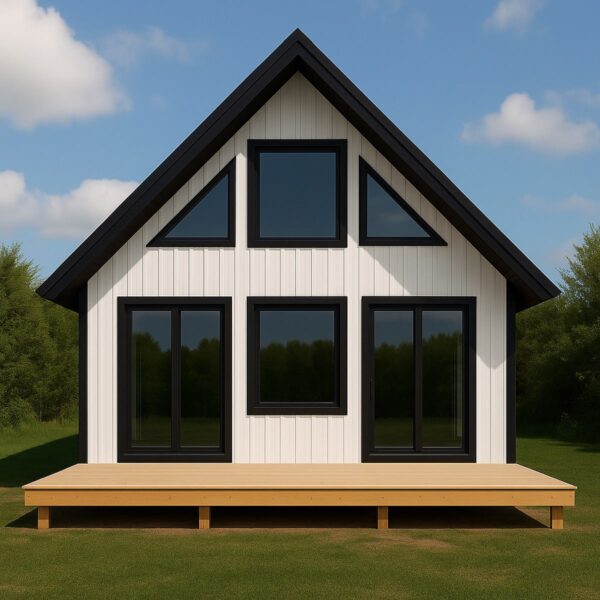
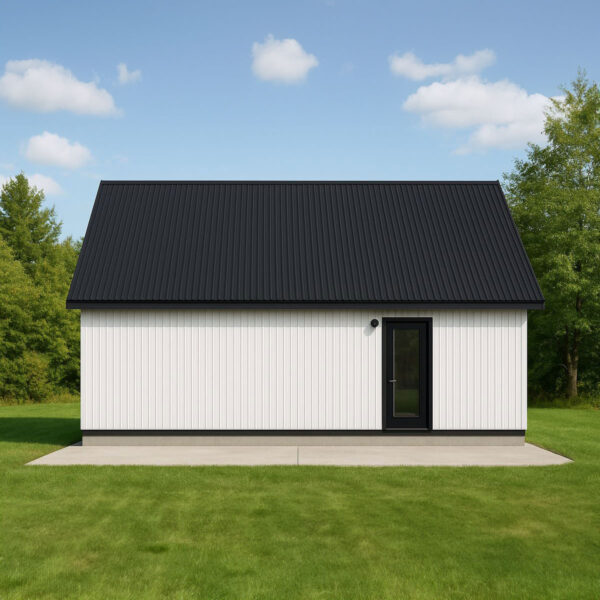
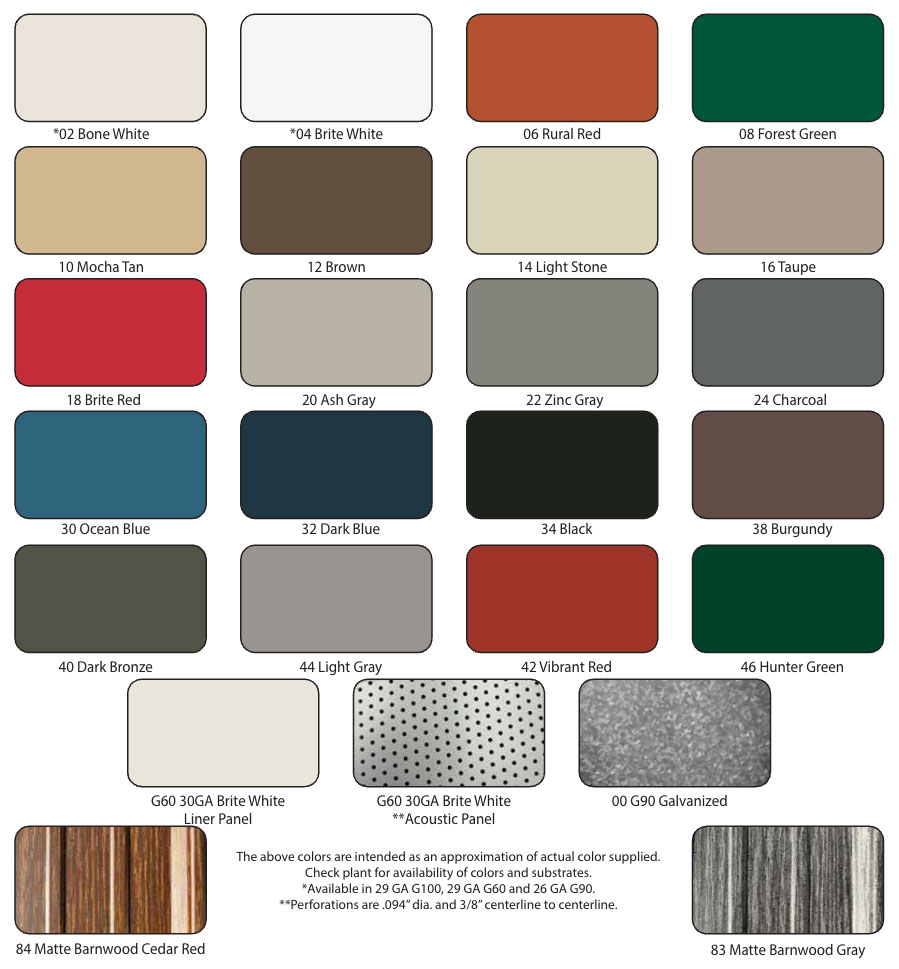
The materials needed for a SIP home include Structural Insulated Panels (SIPs), Andersen windows, metal siding and roofing, and a prepared foundation. These components ensure energy efficiency, durability, and comfort in your DIY home kit.
Can I customize my SIP home design?
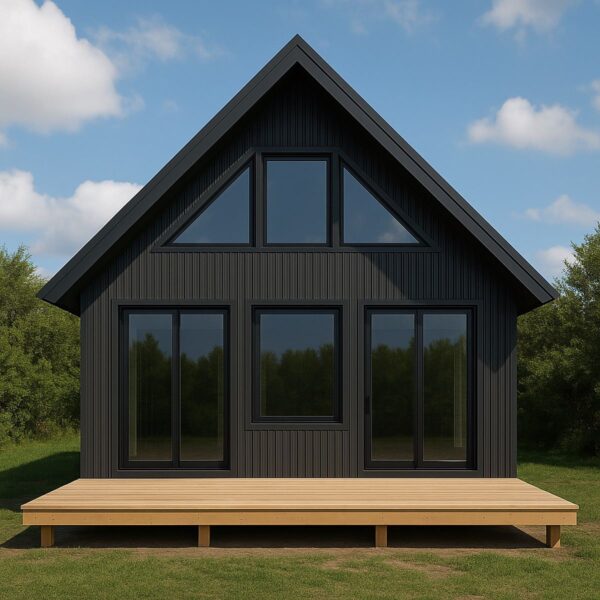
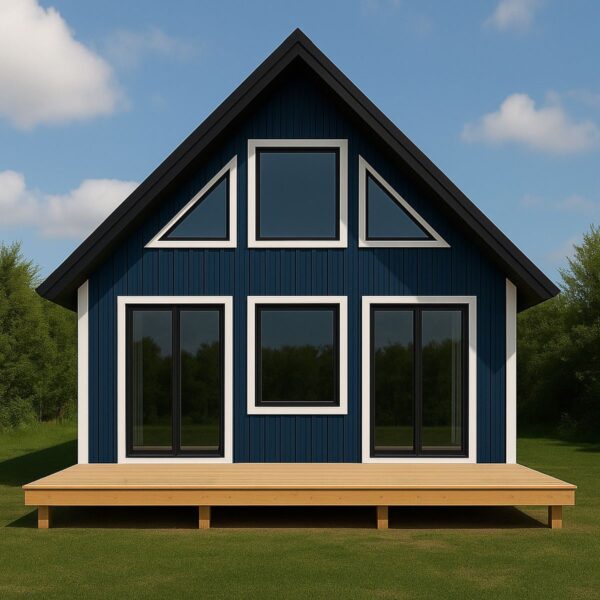
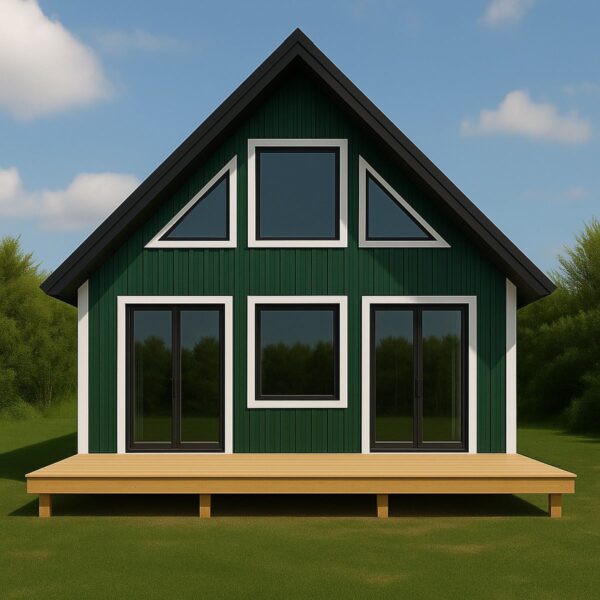
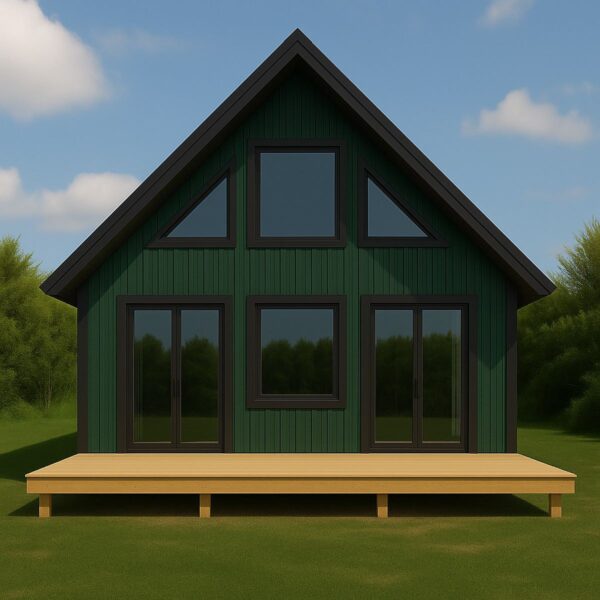
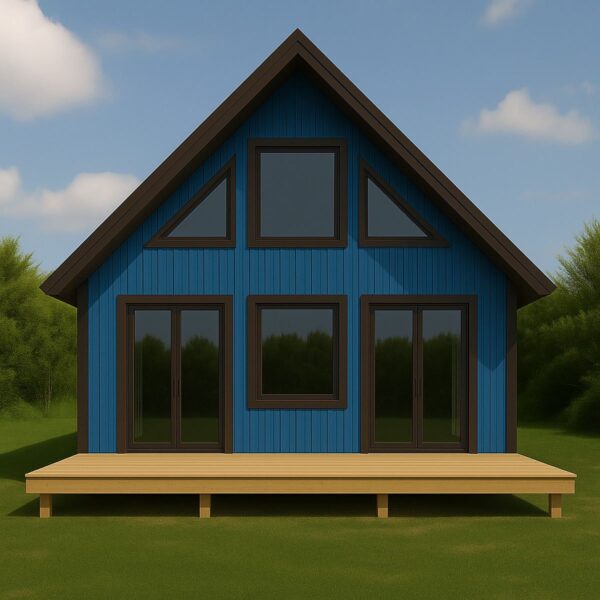
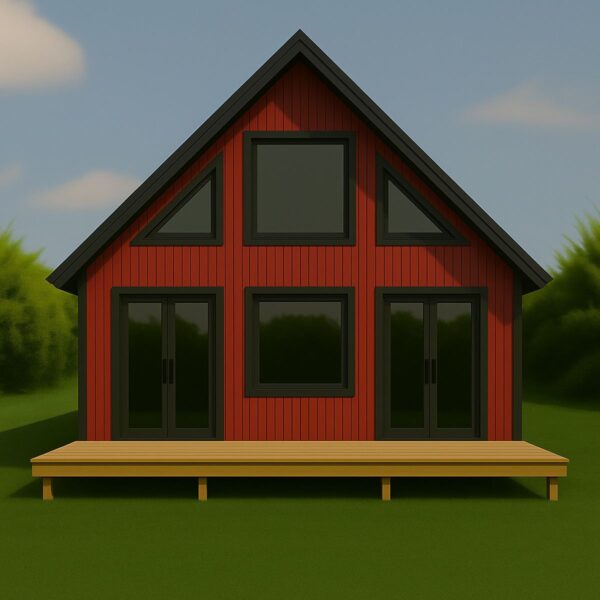
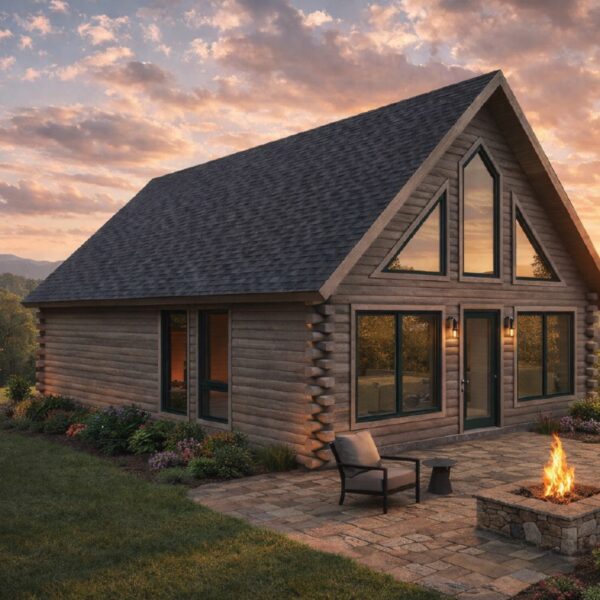
The customization of your SIP home design is available. Little Twig Homes offers various options to tailor the Little Twig 950 SIP to your preferences, ensuring your DIY home kit meets your specific needs and style.
What are the benefits of a SIP home?
The benefits of a SIP home include superior energy efficiency, enhanced structural strength, and significant cost savings on heating. With high insulation values and durable materials, SIP homes provide comfort and sustainability for various living situations.
How long does it take to build a SIP home?
Building a SIP home typically takes between 3 to 6 months, depending on the complexity of the design and the experience of the builders. With our pre-cut DIY kits, assembly can be streamlined for efficiency.
What is the cost of a SIP home kit?
The cost of a SIP home kit varies based on size and customization options. For the Little Twig 950 SIP, pricing starts competitively, ensuring affordability while maintaining high energy efficiency and quality materials.
Are SIP homes energy efficient?
SIP homes are highly energy efficient. With features like Structural Insulated Panels offering R-26 walls and R-40 roofs, they provide excellent insulation, reducing heating costs and ensuring comfort in various climates.
How do I maintain a SIP home?
Maintaining a SIP home involves regular inspections of the exterior for damage, ensuring proper drainage, and checking seals around windows and doors to prevent moisture intrusion. Additionally, routine cleaning and maintenance of the siding and roof will help preserve energy efficiency and durability.
What are common issues with SIP homes?
Common issues with SIP homes include potential moisture problems, improper installation leading to air leaks, and limited design flexibility. It's essential to ensure quality installation and maintenance to mitigate these challenges effectively.
How do I insulate a SIP home?
Insulating a SIP home involves ensuring proper installation of Structural Insulated Panels, which already provide excellent insulation properties. For enhanced efficiency, seal any gaps and consider adding additional insulation in areas like the roof or around windows.
What is the lifespan of a SIP home?
The lifespan of a SIP home is typically around 60 years or more, depending on maintenance and environmental conditions. With proper care, these homes can provide durable and energy-efficient living for decades.
Can I add extensions to a SIP home?
You can add extensions to a SIP home. However, it’s essential to consult with a professional to ensure that the modifications align with the structural integrity and design of the original SIP kit.
How do I choose a SIP home kit?
Choosing a SIP home kit involves considering factors like size, energy efficiency, and intended use. Evaluate your space requirements, desired insulation levels, and whether you plan to assemble it yourself or hire a builder to ensure the best fit for your needs.
What is the assembly process for a SIP home?
The assembly process for a SIP home involves receiving a pre-cut DIY kit, following detailed construction drawings, and assembling the Structural Insulated Panels on a prepared foundation, either independently or with the help of a builder.
Are SIP homes suitable for all climates?
SIP homes are suitable for a variety of climates. Their high insulation values and structural integrity make them efficient in both cold and warm environments, ensuring comfort and energy savings throughout the year.
How do I finance a SIP home project?
Financing a SIP home project can involve various options. You may consider personal loans, construction loans, or specialized financing programs that cater to energy-efficient homes. Always consult with financial advisors to find the best solution for your needs.
What tools are needed for SIP home assembly?
The tools needed for SIP home assembly include a basic set of hand tools such as a drill, saw, level, and measuring tape, along with safety equipment to ensure a secure and efficient building process.
How do I find contractors for SIP homes?
Finding contractors for SIP homes involves researching local builders experienced with Structural Insulated Panels. Check online directories, seek recommendations from Little Twig Homes, and consider joining forums or local construction groups for referrals.
What are the zoning requirements for SIP homes?
The zoning requirements for SIP homes vary by location and typically involve compliance with local building codes, land use regulations, and zoning ordinances. It's essential to consult your local planning authority for specific guidelines.
How do I plan the layout of a SIP home?
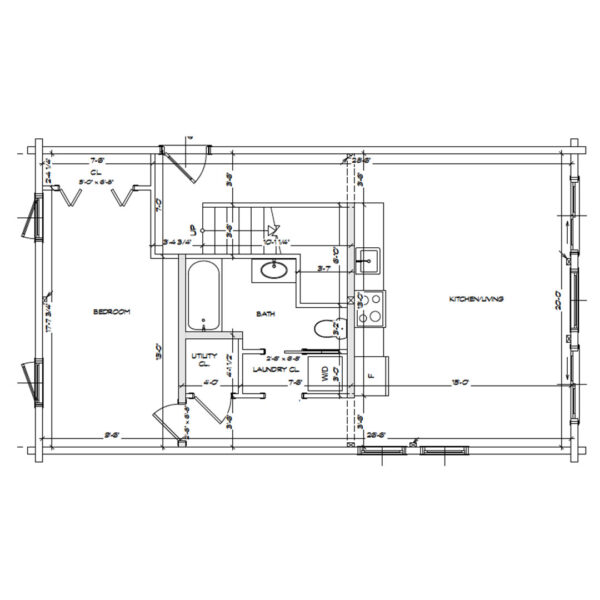
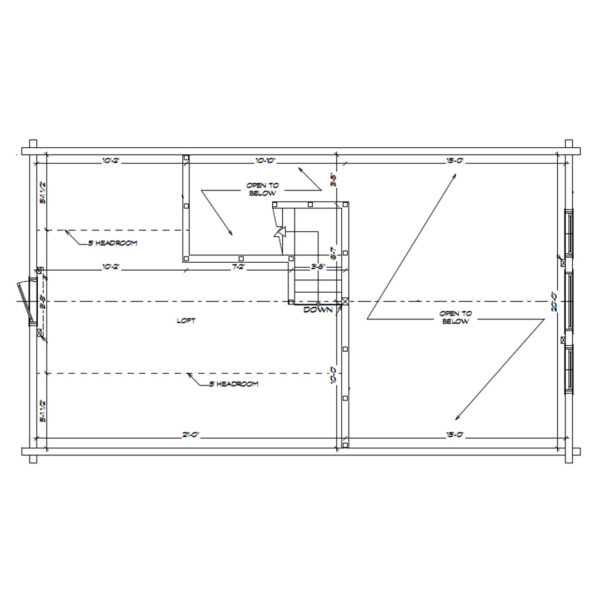
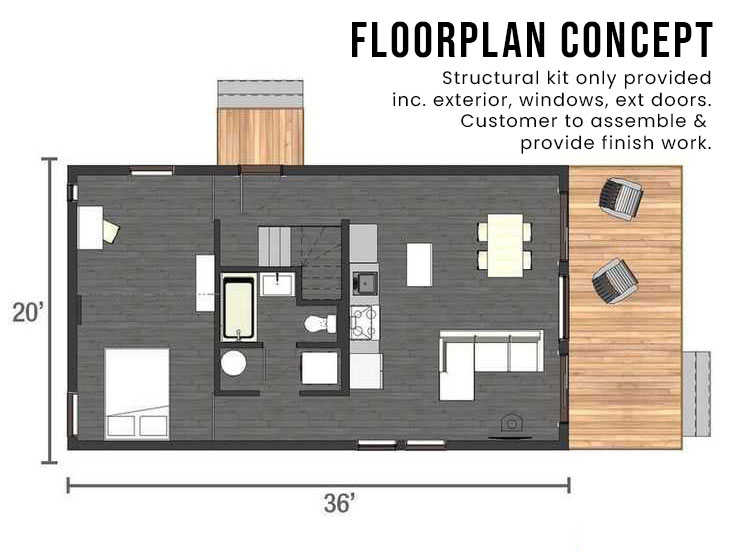
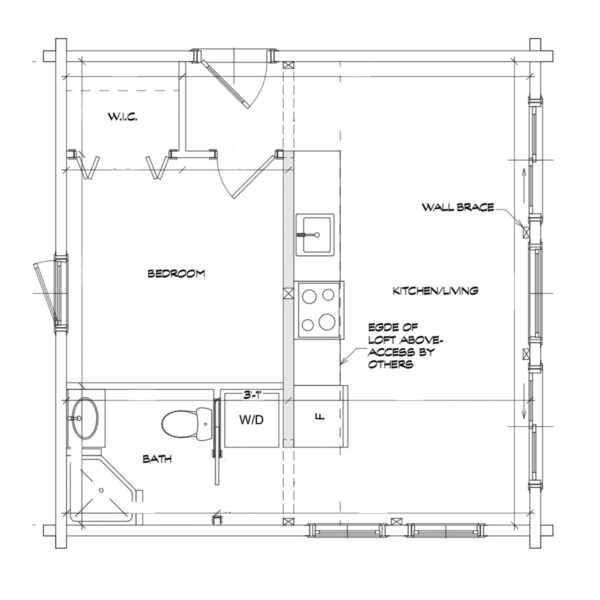
Planning the layout of a SIP home involves considering your space needs, flow between rooms, and natural light. Start by sketching your ideal layout, keeping in mind the dimensions of the Little Twig 950 SIP kit and any customization options available.
What are the environmental impacts of SIP homes?
The environmental impacts of SIP homes are significant, as they offer superior energy efficiency, reducing heating and cooling costs, and utilize sustainable materials that minimize waste and carbon footprint during construction.
How do I ensure quality in SIP home construction?
Ensuring quality in SIP home construction involves using high-grade materials, following proper assembly guidelines, and adhering to local building codes. Regular inspections during the build will also help maintain construction standards and ensure a durable, energy-efficient home.
What are the design options for SIP homes?
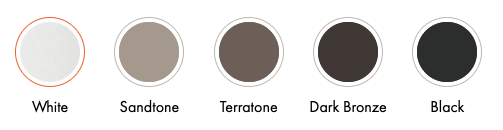
The design options for SIP homes include customizable layouts, finishes, and materials such as Andersen windows, metal siding, and Structural Insulated Panels, allowing customers to create energy-efficient and aesthetically pleasing homes tailored to their needs.
How do I troubleshoot SIP home construction issues?
Troubleshooting SIP home construction issues involves systematically checking for misalignments, ensuring proper sealing of joints, and verifying that all panels are installed according to the provided guidelines. If problems persist, consult the assembly manual or seek professional assistance.
What is the best foundation for a SIP home?
The best foundation for a SIP home is a concrete slab or pier and beam foundation, providing stability and support for the lightweight structure while ensuring proper insulation and moisture management.
How do I connect utilities to a SIP home?
Connecting utilities to a SIP home involves coordinating with local utility providers to establish connections for water, electricity, and sewage. Ensure your home is equipped with the necessary infrastructure and follow local regulations for a smooth setup.
What are the advantages of DIY SIP home kits?
The advantages of DIY SIP home kits include energy efficiency, ease of assembly, and customizable designs. These kits offer high insulation values, durability, and cost savings, making them ideal for various living situations, from primary homes to vacation cabins.