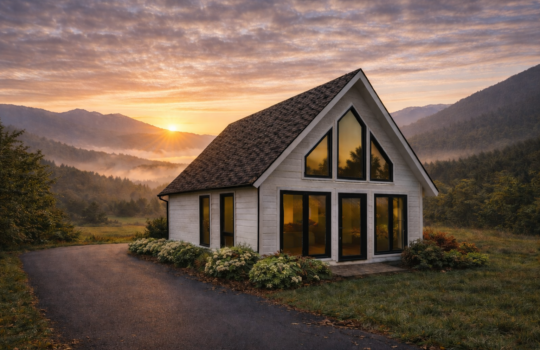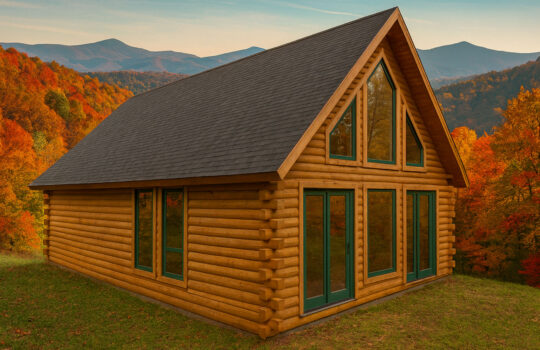
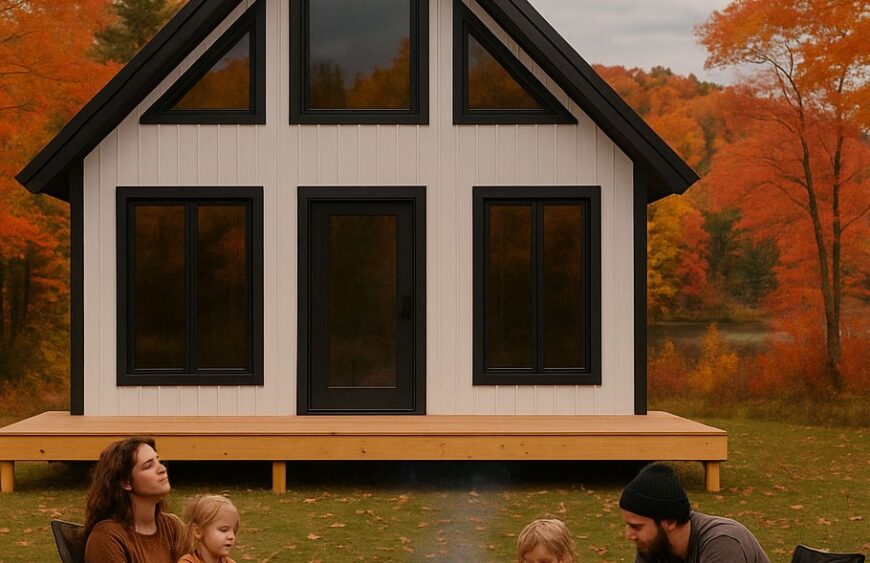
Pre-Engineered SIP & Cedar Log Home Kits: Fast, Efficient, Real Homes
Most people searching for tiny home kits, small prefab homes, or a cabin kit are not chasing a trend. They’re looking for a real housing solution—something affordable, energy efficient, and straightforward to build without turning life into a long, unpredictable construction project.
This approach focuses on pre-engineered home kits that are standardized, repeatable, and permit-friendly—so you can plan costs, timelines, and site work with fewer surprises.
Start by narrowing down what fits your land, climate, and budget:
👉 https://littletwig.homes/quiz/
Why a Standardized Home Kit Beats a Custom Build for Most People
Custom homes sound great—until you’re months in, over budget, and still revising drawings.
A standardized prefab home kit avoids most of that risk by using a proven layout and a consistent materials package. The result is typically:
-
Faster decision-making (fewer unknowns)
-
Clearer expectations (scope is defined up front)
-
Smoother permitting conversations (engineered documentation is simpler to review)
-
Fewer construction surprises during framing and dry-in
These are panelized / pre-cut materials kits—not fully finished modular boxes. The kit arrives labeled and ready for assembly on your prepared foundation by an owner-builder, local crew, or a hybrid approach.
Two Practical Sizes That Fit Most Real-World Needs
400 sq ft home kit
Common uses: ADU kit, backyard guest house, off-grid cabin kit, hunting cabin, studio, and short-term rental.
This size can reduce total project cost because foundations and site work usually scale down.
950 sq ft home kit
Common uses: full-time living, small families, workforce housing, and long-term rentals.
This footprint gives you “real home” livability without the cost profile of a large custom build.
If you’re deciding between sizes, the quiz helps you choose quickly:
👉 https://littletwig.homes/quiz/
SIP Home Kits: Energy-Efficient, Strong, and Straightforward to Build
A SIP house kit uses Structural Insulated Panels (SIPs)—an insulated foam core bonded between structural skins (commonly OSB)—to create a tight building envelope with excellent thermal performance.
Standard SIP kit performance
-
R-26 walls
-
R-40 roof
Northern Cold Climate Edition (for mountains / snow regions)
-
R-29 walls
-
R-57 roof system (thicker, higher-performance roof SIPs)
-
Designed for colder climates and higher snow loads
Find out which SIP option fits your climate:
👉 https://littletwig.homes/quiz/
Cedar Log Home Kits: Classic Cabin Look Without the Guesswork
A cedar log cabin kit is ideal if you want traditional character with a predictable, repeatable build process. Precision-cut logs and an engineered plan set help reduce on-site improvisation and wasted labor.
These kits are often chosen for:
-
Rural properties and retreats
-
Primary residences with a cabin aesthetic
-
Vacation rentals where “log cabin appeal” improves demand
Compare SIP vs. cedar log options here:
👉 https://littletwig.homes/quiz/
What These Kits Are — and What They Are Not
These are fixed-footprint home kits designed to be assembled on a permanent foundation.
They are not:
-
Tiny houses on wheels
-
Shed conversions
-
Fully finished modular homes delivered as a complete box
-
Custom one-off builds with endless layout revisions
A Note on Pricing (What “Kit Price” Usually Means)
Pricing varies by size, construction type, and climate package. Any base pricing shown online is typically for the materials package, and does not include:
-
Shipping
-
Taxes
-
Site work
-
Foundations
-
Labor to build (if you hire a crew)
-
Local permit fees
Use the quiz for guidance that matches your climate and use case:
👉 https://littletwig.homes/quiz/
Common Use Cases
These small home kits are commonly used for:
-
ADUs
-
Off-grid homes and cabins
-
Rental properties (short-term and long-term)
-
Workforce housing
-
Primary residences
-
Campgrounds and small cabin developments
-
Senior living/downsizing
Where to Start
If you want clarity without pressure, start with the quiz. It points you toward the right kit size and build type based on your goals and location.
👉 https://littletwig.homes/quiz/
Final Thought
If you want a real home with a smaller footprint—built faster, with fewer surprises—pre-engineered SIP and cedar log home kits are one of the most practical ways to get there.