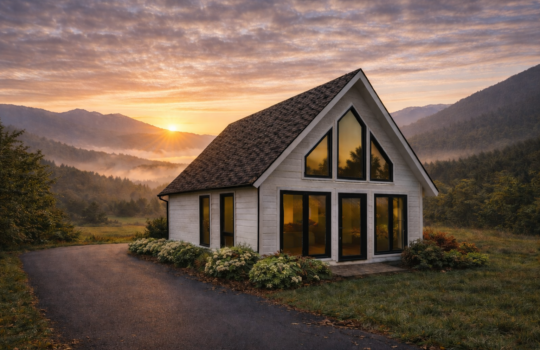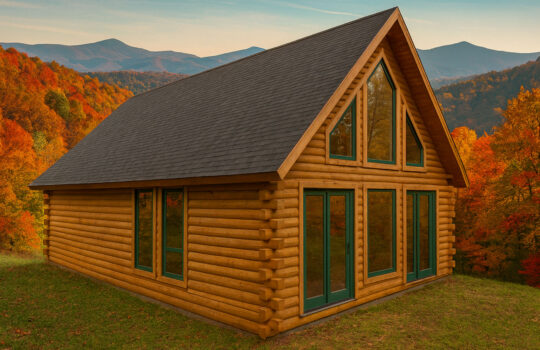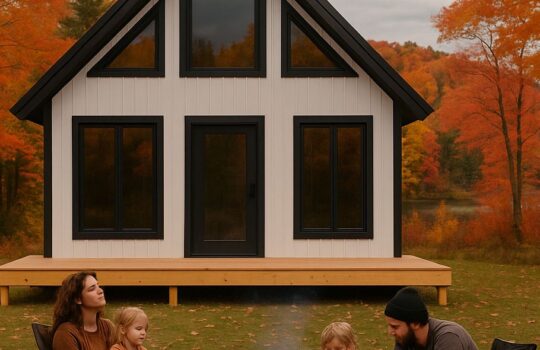
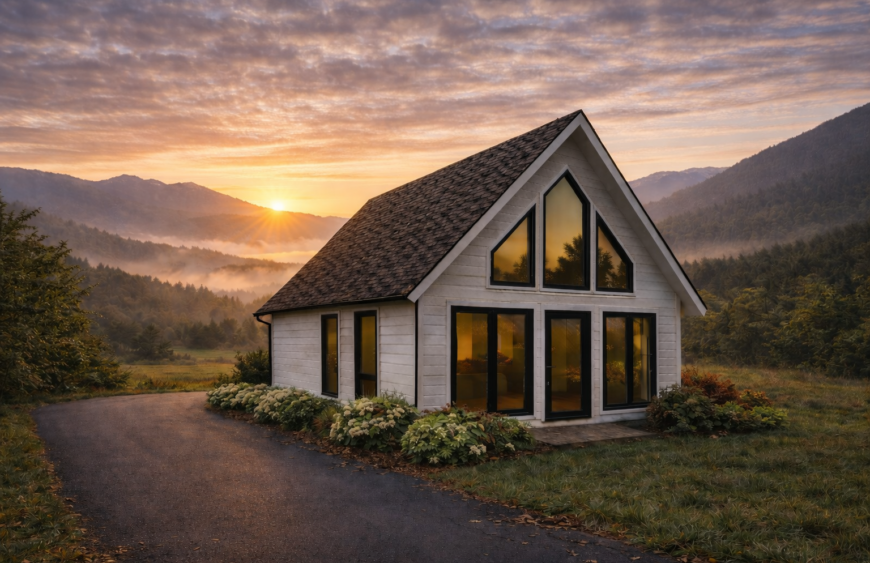
SIP Home Kits and Cedar Log Home Packages for Affordable Housing
If you’re researching tiny home kits, small prefab homes, ADU kits, or panelized home kits, you’ve probably noticed a problem: the market is full of options that look affordable, but don’t always work well in the real world—especially when permitting, comfort, durability, and total project cost actually matter.
This is a descriptive, easy-to-read explanation of what these packages are, why they were built, how the SIP and cedar log versions differ, and how to choose the right size and climate edition for your project.
Table of Contents
-
The Origin of Little Twig Homes (2004 → 2008 → Pause → 2022 Relaunch)
-
The Housing Problems We Built Little Twig Homes to Solve
-
What Little Twig Homes Offers Today (400 & 950 sq ft — SIP and Cedar Log)
-
Why SIP Panels Are One of the Best Systems for Small Homes
-
Standard vs. Northern Cold Climate Editions (What Changes and Why It Matters)
-
Why Cedar Is One of the Best Materials for Small Homes
-
Use Cases: Homeowners, Builders, Developers, Investors, ADUs, Communities, Workforce, Emergency Housing
-
SIP vs. Cedar Log: Which One Fits Which Goal
-
Shipping, Staging, Build Readiness, and Real-World Execution Notes
-
FAQ (High-Intent Buyer Questions)
-
Glossary of Key Terms
-
Next Steps + Direct Owner CTA
1) The Origin of Little Twig Homes (2004 → 2008 → Pause → 2022 Relaunch)
Little Twig Homes exists because the traditional path to building a home became too expensive, too slow, and too unpredictable for a growing number of buyers.
2004: Where the standard came from
Little Twig Homes is a division of Big Twig Homes LLC, established in 2004 by Aaron Dunn. That background matters because it shaped how Little Twig Homes was developed: with a strong bias toward structural integrity, repeatable results, and real-world execution, not novelty design.
In other words, this was never intended to be “cute tiny houses.” It was built to be serious housing in a smaller footprint, engineered like a real home.
2008: The first Little Twig concept — created as affordability pressure hit early
In 2008, buyers began moving toward smaller homes as affordability tightened. But the market responded with two extremes:
-
Traditional builds that were increasingly expensive and unpredictable
-
Low-quality “affordable” structures that didn’t feel permanent, didn’t perform well, or weren’t designed for long-term residential living
The original Little Twig concept was built to solve a straightforward need:
Smaller homes with real-home quality, engineered for efficient assembly, without cheap shortcuts.
Pause years: Why it went quiet
As the market shifted, many buyers returned to larger homes. Little Twig Homes was paused—not because it didn’t work, but because the market temporarily rewarded larger footprints and different buying priorities.
2022 relaunch: Why it came back stronger
In 2022, affordability pressures returned with force:
-
Home prices rose sharply
-
Labor became harder to schedule
-
Material costs stayed elevated
-
ADUs expanded in popularity
-
Workforce housing became a major issue
-
Investors and developers started looking for scalable, repeatable units
-
Small home communities and multi-unit builds increased
So Little Twig Homes was relaunched with a tighter, clearer offering: two sizes, two construction systems, and two climate editions, all packaged for predictable results.
2) The Housing Problems We Built Little Twig Homes to Solve
Problem #1: “Affordable” options often compromise quality or permanence
Many small-structure products are optimized for marketing and photos. Then owners discover the reality:
-
They feel temporary
-
They’re difficult to permit
-
They’re uncomfortable in real weather
-
They require constant maintenance
-
They don’t hold value like a real home
Little Twig Homes is designed around a different foundation:
-
Real homes, packaged as homes from day one
-
Not converted sheds
-
Not novelty structures
-
Not “cheap upfront, expensive later.”
Problem #2: Traditional building is unpredictable—and unpredictability is expensive
Most project overruns are not one big mistake. They’re a chain of small problems that compound:
-
Jobsite waste and incorrect ordering
-
Delays from sequencing issues
-
Weather exposure before dry-in
-
Labor rescheduling and downtime
-
Rework caused by on-site cutting errors
-
Scope creep because inclusions weren’t clearly defined
Little Twig Homes reduces these failure points by shipping pre-cut, numbered materials packages that simplify the jobsite workflow.
Problem #3: Operating costs are part of affordability
A home that is cheap to purchase but expensive to heat and cool isn’t truly affordable. This is especially true in cold climates where roof performance is decisive.
That’s why Little Twig Homes offers Standard and Northern Cold Climate Edition SIP packages.
3) What Little Twig Homes Offers Today (Clear, Repeatable Options)
Little Twig Homes focuses on two footprints that work well across many real-world needs:
400 sq ft package
Often used for:
-
ADUs (depending on local regulations)
-
Guest houses
-
Off-grid cabins
-
Short-term rental units
This size keeps foundation and site work costs lower while still functioning as a complete home, not a temporary structure.
950 sq ft package
Often used for:
-
Full-time primary residences
-
Couples and small families
-
Workforce housing units
-
Long-term rentals
-
Developers deploying repeatable units
It offers real livability without the cost profile and complexity of large custom builds.
Two build systems in each size
Each size is available in:
-
SIP Panel Version — modern, fast, energy efficient
-
Cedar Log Home Version — classic, durable, warm interior feel
- Start with the quiz:
👉 https://littletwig.homes/quiz/
Both ship as pre-cut, numbered materials packages to simplify assembly and reduce construction risk.
4) Why SIP Panels Are One of the Best Systems for Small Homes
SIPs (Structural Insulated Panels) are one of the most practical modern building systems for small homes because they combine key priorities into one system:
-
Faster build sequencing
-
Strong energy performance
-
Reduced jobsite complexity
-
Better comfort in a small footprint
A) Build speed is not just convenience — it’s risk control
Every extra day on a build increases cost and risk:
-
Labor extends
-
Equipment rentals extend
-
Weather exposure increases
-
Scheduling conflicts increase
-
Carrying costs increase (loan interest, rent, etc.)
SIP systems reduce job-site steps. Fewer steps typically mean a faster dry-in and fewer opportunities for delays.
B) Comfort matters more in small homes
In a small home, you can’t “escape” uncomfortable zones. Drafts and temperature swings are daily annoyances.
SIPs typically help by:
-
Reducing air leakage
-
Increasing insulation consistency
-
Reducing thermal bridging
-
Supporting a tighter building envelope
C) SIPs match modern durability goals
SIPs pair naturally with durable exterior systems, including metal roofing and metal siding—popular for low maintenance and long service life.
SIP Package Includes
-
Structural Insulated Panel (SIP) walls and roof panels
-
Metal siding and metal roofing
-
Andersen 100 Series windows and exterior doors
-
All necessary exterior trim
-
Interior framing components
- Start with the quiz:
👉 https://littletwig.homes/quiz/
Build clarity: The SIP package ships as a complete, pre-cut materials kit (not pre-assembled) and is assembled on the customer’s prepared foundation by their builder or construction crew. It can also be used as a DIY materials package if the customer does not want to hire a general contractor.
5) Standard vs. Northern Cold Climate Editions (Why It Matters)
SIP R-Values
-
Standard SIP: R-26 walls / R-40 roof
-
Northern Cold Climate Edition SIP: R-29 walls / R-57 roof system
The Northern edition is designed for cold climates where:
-
Heating costs are high
-
Comfort is harder to maintain
-
Snow and winter conditions are more demanding
-
Roof insulation becomes a major factor in heat loss
Why climate editions reduce long-term problems
Choosing the right climate package reduces the likelihood of:
-
High heating bills
-
Cold ceilings and temperature stratification
-
Condensation and moisture issues are tied to the envelope mismatch
-
Expensive retrofits after the home is finished
- Start with the quiz:
👉 https://littletwig.homes/quiz/
6) Why Cedar Is One of the Best Materials for Small Homes
Cedar log homes remain popular because they deliver an unmistakable “real home” feel with warmth and permanence.
A) Cedar creates a finished interior feel without extra layers
Many builds require layers of finishing work to feel complete:
-
Drywall finish and paint
-
Interior cladding
-
Trim packages
-
Upgraded finishes to create warmth
Cedar log homes provide a distinctive interior character as part of the system.
B) Cedar fits the markets where small homes thrive
Small homes are commonly built in:
-
Mountain towns
-
Rural acreage
-
Lake communities
-
Retreat markets
-
Retirement properties
Cedar matches these settings and buyer preferences, and often carries a strong appeal for rentals.
C) Pre-cut and numbered cedar packages reduce complexity
Instead of cutting and fitting logs on-site, these packages ship pre-cut and numbered, making assembly more efficient.
Cedar Log Home Package Includes
-
Cedar logs (pre-cut and numbered for fast assembly)
-
Windows and exterior doors
-
Architectural shingles
-
Interior tongue-and-groove pine
-
Ceiling tongue-and-groove pine
-
Interior doors and hardware
-
Finished stair material and railings
- Start with the quiz:
👉 https://littletwig.homes/quiz/
7) Use Cases: Who These Packages Were Built For
Homeowners (primary residence, retirement, second home)
Common priorities:
-
Affordability without feeling “cheap.”
-
Energy costs and comfort
-
Lower maintenance
-
A real-home feel in a smaller footprint
Builders
Common priorities:
-
Predictable labor planning
-
Reduced material chaos
-
Fewer jobsite cuts
-
Clear scope for quoting and scheduling
Developers
Common priorities:
-
Repeatable units that scale
-
Cost control per unit
-
Product consistency across phases
-
Clean timeline sequencing
Investors (short-term and long-term rentals)
Common priorities:
-
ROI protection from build cost drift
-
Energy efficiency and operating cost control
-
Durability for fewer repairs
-
Guest appeal for tourism markets
Small home communities (campgrounds, clusters, villages)
Common priorities:
-
Standardized units
-
Predictable infrastructure planning
-
Sequencing multiple builds
-
Long-term maintenance simplicity
Workforce housing
Common priorities:
-
Speed
-
Repeatability
-
Lower operating costs
-
Predictable outcomes
ADUs
Often a fit, but always confirm:
-
Setbacks
-
Max size
-
Parking requirements
-
Utility tie-ins
-
Local ADU ordinances
Emergency and transitional housing
Repeatable units can work well where speed and durability matter—subject to local approvals, utilities, and infrastructure.
8) SIP vs. Cedar Log: Which One Fits Which Goal?
Choose SIP if your priorities are:
-
Maximum energy performance per square foot
-
Modern finish paths (drywall interiors, clean lines)
-
Faster enclosure and simpler sequencing
-
Cold climate performance (Northern edition is a major advantage)
Choose Cedar Log if your priorities are:
-
Classic aesthetics and warm interior feel
-
Strong destination/rental appeal
-
A home that feels permanent and substantial
-
A system that naturally fits rural/mountain/lake settings
- Start with the quiz:
👉 https://littletwig.homes/quiz/
9) Shipping, Staging, and Build Readiness (Real-World Execution)
Packaged builds go smoother when these are handled early:
-
Foundation is ready, square, and verified
-
A staging area is planned for organized offloading
-
Materials are protected from weather exposure
-
Crew plan and sequencing is clear (walls → roof → dry-in → interior)
-
The climate edition is selected correctly before ordering
Many problems blamed on “kits” are actually execution issues—site access, staging, sequencing, and weather planning.
10) FAQ (High-Intent Buyer Questions)
Are Little Twig Homes real homes or shed conversions?
They are real homes designed and packaged as residential buildings—not shed conversions.
What sizes are available?
400 sq ft and 950 sq ft.
Are SIP and cedar logs both available?
Yes. Each size is offered in SIP and cedar log versions.
What are the SIP R-values?
Standard: R-26 walls / R-40 roof
Northern: R-29 walls / R-57 roof system
Do you sell nationwide?
Yes. Packages are sold nationwide. Climate editions exist to better match performance to the region.
Are packages pre-assembled?
No. Packages ship as pre-cut materials kits and are assembled on your foundation.
Can these be used for ADUs?
Often yes, but ADU rules vary. Confirm locally.
Are these good for small home communities and workforce housing?
Yes—especially when repeatability, standardization, and energy performance matter.
11) Glossary of Key Terms
-
ADU: Accessory Dwelling Unit (rules vary locally)
-
SIP: Structural Insulated Panel
-
R-value: Insulation performance measure
-
Dry-in: Enclosed enough to protect the interior from the weather
-
Scope control: Clear inclusions to reduce overruns
-
Phased deployment: Building in stages to match demand and manage capital
12) Next Steps + Direct Owner
If you want the fastest path to the right Little Twig Homes package, the three inputs that matter most are:
-
Build location (climate + snow/cold considerations)
-
Intended use (primary, rental, ADU, community, workforce, transitional)
-
Preference: modern high-performance SIP vs classic cedar log
Start with the quiz:
👉 https://littletwig.homes/quiz/
For direct access to the owner, call Aaron Dunn at 828-579-3009.