Building Practical, Energy-Efficient Tiny Home Kits the Right Way
Written by the team behind Little Twig Homes
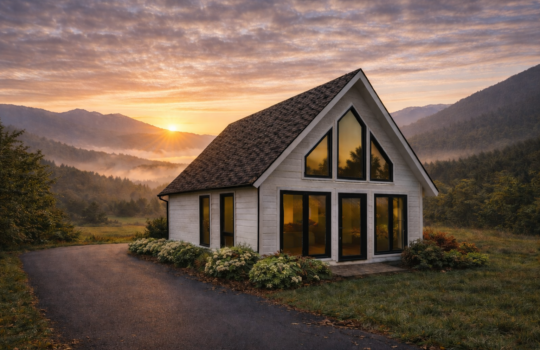
Designers and suppliers of pre-engineered SIP house kits and cedar log cabin kits built for real-world construction, energy efficiency, and long-term living across the United States.
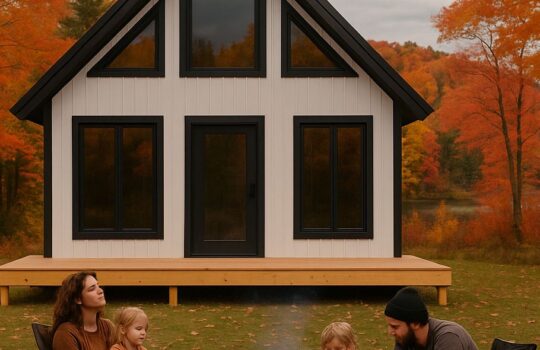
Most people searching for tiny home kits or small prefab homes are not chasing a trend. They want a real housing solution—something affordable, durable, energy-efficient, and realistic to build without turning life into a multi-year construction project.
That’s why this company focuses on standardized, engineered home kits—not novelty structures, not endless custom revisions, and not “twig” materials.
To find the best fit for your land, climate, and budget, begin with the short quiz:
👉 https://littletwig.homes/quiz/
Table of Contents
-
Why These Engineered Home Kits Exist
-
The Housing Gap Many Buyers Face
-
Why Standardized Home Kits Win
-
Tiny Home Kit Sizes: 400 sq ft & 950 sq ft
-
SIP Panel Construction Explained
-
Energy Performance & Cold-Climate Design
-
Cedar Log Home Construction
-
What This Company Is — and Is Not
-
Pricing Considerations
-
Expanded FAQ
-
Where to Start
Why These Engineered Home Kits Exist
This business started with a simple frustration: it has become unnecessarily difficult to build a reasonably sized, well-built home.
Many buyers commit to custom homes and run into design changes, budget overruns, and delays. Others turn to tiny houses on wheels or shed conversions and run into zoning issues, financing limitations, and durability concerns.
What most people want is a middle ground:
-
Smaller than a traditional custom home
-
Permanent and code-compliant
-
Energy-efficient and comfortable
-
Predictable to build and budget
These fixed-foundation home kits were created to fill that gap.
The Housing Gap Many Buyers Face
The market often forces extremes:
-
Custom homes: flexible, but expensive and unpredictable
-
Non-standard structures: cheaper upfront, but limited in placement, permitting, and long-term performance
What’s missing is a practical option built around engineering, building science, and repeatability—small enough to be affordable, and solid enough to last.
Why Standardized Home Kits Win
One key decision was to avoid custom builds. That’s intentional.
Custom construction adds variables—revisions, substitutions, engineering changes—that slow projects and raise costs. For owner-builders, small investors, and families, those variables often create stress instead of flexibility.
By focusing on standardized, pre-engineered home kits, buyers get:
-
Lower construction risk
-
Faster timelines
-
Better predictability
-
Stronger DIY support
These kits ship as pre-cut, clearly labeled materials to be assembled on a customer-prepared foundation. You can build yourself, hire a crew, or combine both.
Tiny Home Kit Sizes That Work in the Real World
Rather than dozens of layouts, this line focuses on two footprints that consistently work well for zoning, cost, and livability.
400 sq ft tiny home kit
Commonly used for:
-
ADU kits (Accessory Dwelling Units)
-
Guest houses
-
Off-grid cabins
-
Short-term rentals
This size can keep foundation and site costs lower while still functioning as a complete home.
950 sq ft small home kit
Designed for:
-
Full-time living
-
Couples or small families
-
Workforce housing
-
Long-term rentals
This footprint avoids the inefficiencies of ultra-small layouts while maintaining significant savings versus larger custom builds.
If you’re unsure which size fits your land or goals, the quiz helps narrow it quickly:
👉 https://littletwig.homes/quiz/
SIP Panel Construction Explained
A major reason these kits are efficient and fast to build is the use of Structural Insulated Panels (SIPs).
What are SIP panels?
SIPs typically consist of:
-
A rigid, insulated foam core
-
Bonded between structural skins (commonly OSB)
Instead of assembling many individual framing members, SIPs create large structural sections that act as framing + insulation + air barrier in one system.
Why SIPs can outperform traditional framing
In stick framing, insulation and air sealing rely heavily on workmanship. Gaps, compression, and thermal bridging are common.
SIP construction reduces those issues by design:
-
Continuous insulation across walls and roof
-
Fewer joints and gaps
-
Reduced air leakage
-
Faster enclosure and dry-in
Energy Performance & Cold-Climate Design
Standard SIP home kit performance
-
R-26 insulated walls
-
R-40 insulated roof
This performs well in most U.S. climate zones and typically lowers heating/cooling demand versus conventional framing.
Northern Cold Climate Edition
For colder regions, mountain environments, and snow-load areas:
-
R-29 walls
-
R-57 roof system using thicker, higher-performance roof SIPs
Roof insulation is one of the biggest factors in reducing heat loss, and this upgrade targets comfort and long-term energy savings in cold climates.
Cedar Log Home Construction
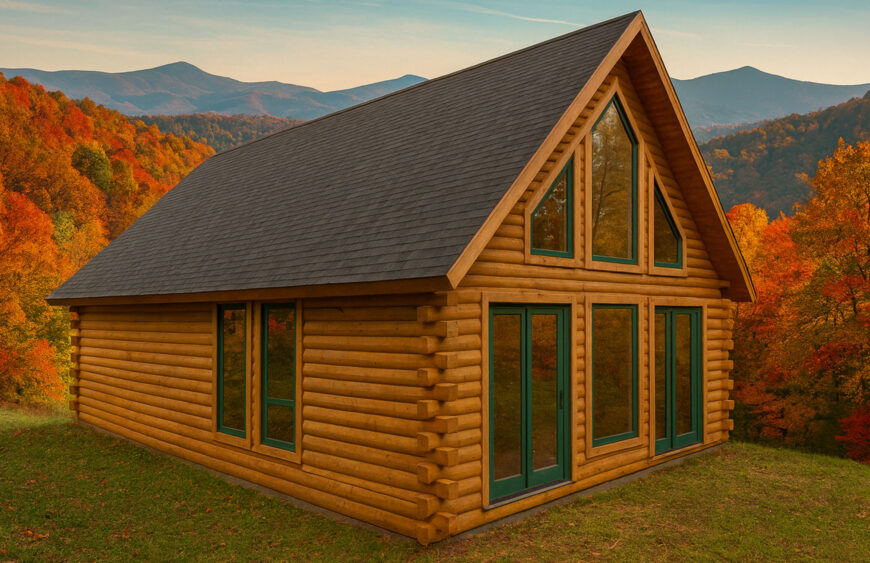
Not everyone wants a modern SIP structure. Some buyers want a home that feels rooted in tradition, so cedar log cabin kits are also offered.
Why is cedar used
Cedar is valued for:
-
Natural resistance to decay and insects
-
Long service life
-
Dimensional stability
-
Cabin aesthetic and character
Modern log kits use precision-cut, labeled logs to reduce air gaps and improve consistency. Common uses include:
-
Rural properties
-
Retreat and vacation homes
-
Full-time residences with classic cabin appeal
What This Company Is — and Is Not
Clarity matters for buyers and for search engines.
This is:
-
A supplier of engineered tiny home kits and small home kits
-
Focused on SIP house kits and cedar log cabin kits
-
Designed for permanent, fixed-foundation homes
This is not:
-
A custom home builder
-
A tiny-house-on-wheels manufacturer
-
A shed conversion provider
Pricing Considerations
Pricing depends on:
-
Size (400 sq ft or 950 sq ft)
-
Construction system (SIP or cedar log)
-
Climate package
Base pricing shown online typically reflects the materials kit only and does not include:
-
Shipping
-
Taxes
-
Site work
-
Foundations
-
Optional upgrades
-
Labor
Those costs vary by location and scope. The quiz is designed to give realistic guidance without assumptions:
👉 https://littletwig.homes/quiz/
FAQ
General questions
Does Little Twig Homes build the kit?
No. This is a materials-only home kit. The buyer or their builder handles permitting, site prep, and construction.
Can I customize the design?
No structural design changes. Some exterior color selections may be available depending on the package.
Is it DIY-friendly?
Yes. These are designed as DIY-capable pre-cut home kits, although many buyers use local contractors.
Shipping & delivery
How is the kit delivered?
Materials typically arrive on a 53’ flatbed trailer. Site access and offloading equipment (forklift/telehandler/crane) are required.
SIP version FAQs
What’s included in the SIP home kit?
A complete pre-cut SIP wall and roof panel package with the specified R-values, plus associated exterior components and interior framing components (varies by model).
Is insulation included?
Yes. SIPs include insulation as part of the panel system. The Northern Cold Climate Edition upgrades roof and wall R-values.
Documentation & permitting
Do you provide plans for permitting?
Engineered documentation is included for permitting in many jurisdictions, but local requirements vary.
Do I need a permit?
Yes. Local permits and inspections are required. Always check local energy code and snow/wind load requirements.
Where to Start
If you’re early in the process and want clarity without pressure, the quiz is the best first step. It helps identify:
-
The right size (400 vs 950)
-
SIP vs cedar log construction
-
Standard vs Northern Cold Climate Edition
-
Logical next steps for your land
👉 https://littletwig.homes/quiz/
Final Thought
Little Twig Homes exists because building a small, efficient home should not feel risky or overwhelming.
By focusing on engineered simplicity, proven construction systems, and realistic build paths, this aims to make durable housing achievable—without unnecessary complexity.